Start Your Own Anime Pin Business
Table of Contents Anime culture has grown far beyond just watching shows or reading manga. From the heart-pounding action of
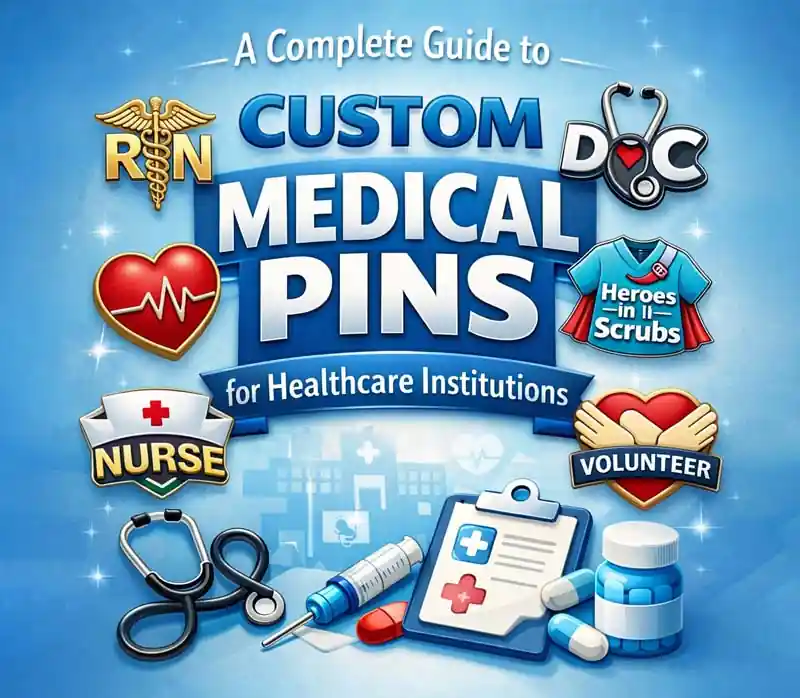
Medical pins are one of the most iconic accessories that the medical practitioners can wear while on duty.In healthcare environments, these small details can bring meaningful impact.
From hospitals and clinics to medical associations and patient advocacy groups, custom medical pins serve both practical and symbolic purposes.
This guide explores the various types of medical pins, who they are for, and how to design the perfect pin for your institution.
Custom medical pins can be categorized based on their function and the audience they serve. Medical pins can serve multiple purposes depending on who wears them and why.
Broadly, they fall into three major categories: identification, medical condition awareness, and achievement or commemorative pins.
Identification pins are among the most widely used in healthcare settings and play a vital role in daily hospital operations. Identification pins provide immediate clarity, reducing “role confusion” and building trust.
Medical pins are commonly worn by healthcare professionals such as nurses, lab technicians, and medical assistants
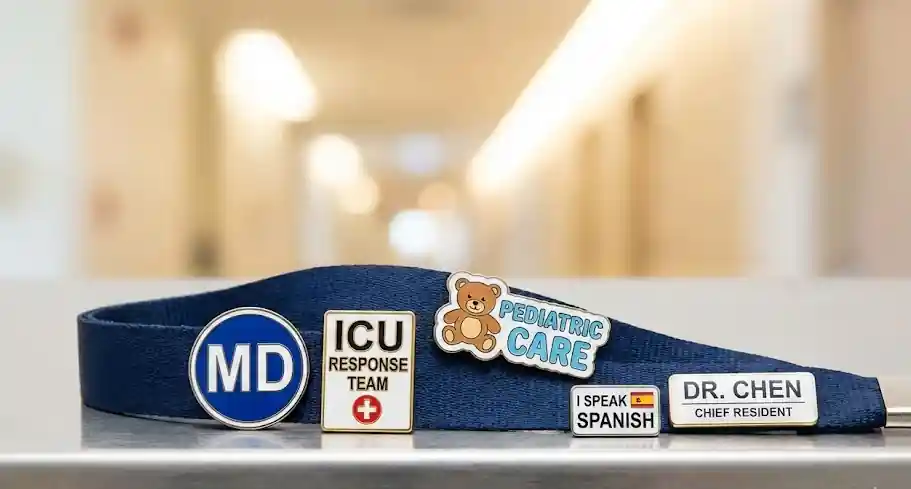
Role-Specific Pins: These are often bold and highly legible, identifying the wearer as an “MD,” “RN,” “NP,” or “LPN.” This helps both patients and other staff members identify the hierarchy and responsibility of those in the room during an emergency. Nurse pins are available in various designs and can be worn by registered nurses and nursing assistants.
Departmental Branding: Custom pins can distinguish specialized units, such as “ICU Response Team,” “Pediatric Care,” or “Voluntary Services”. EMT medical pins are available for emergency medical technicians and first responders.
Personalization: Beyond titles, pins can be customized with names or even “I Speak [Language]” to facilitate better patient-provider communication in diverse communities.
For patients, a custom pin can be a “silent voice” that speaks when they cannot. These are critical components of emergency preparedness and long-term care management.
Allergy Alerts: Pins that clearly state “Latex Allergy,” “Penicillin Allergy,” or “Severe Nut Allergy” provide an immediate visual cue to healthcare providers, potentially preventing life-threatening medical errors.
Chronic Illness Identification: Patients with Type 1 Diabetes, Epilepsy, or those with Pacemakers often wear pins to ensure that first responders follow the correct protocols during an unconscious episode.
Special Needs Awareness: Pins such as “I have Autism” or “Hearing Impaired” help staff adjust their communication style and bedside manner to better suit the patient’s needs.
Recognition is an important part of maintaining morale in demanding healthcare professions. Medical lapel pins add personality to scrub tops, white coats, and ID badges.
Pins for professional milestones: Service pins recognize years of dedication, such as 5, 10, or 20 years of service. Others may commemorate certifications, promotions, or outstanding performance.
Event and conference commemorative pins: Medical conferences, workshops, training sessions, and institutional anniversaries often use custom pins as souvenirs.
The utility of medical pins extends across the entire healthcare spectrum, from the boardroom to the bedside.
For hospital administrators, custom enamel pins are a cost-effective solution for identity management. In high-stress environments like the Emergency Department, the ability to quickly identify a trauma lead versus a medical student is vital for safety.
Beyond identification, enamel pins are powerful tools for public health campaigns. Hospitals often use enamel pins to promote:
Cancer Awareness: The iconic pink ribbon for breast cancer or gold for childhood cancer.
Preventative Health: “I Got My Flu Shot” or “Heart Health” pins encourage positive health behaviors among both staff and the visiting public.
Patient Education: Handing out pins during a health fair or community outreach program creates a lasting connection between the institution and the community it serves.
Medical organizations, charities, and NGOs form another important target market. Non-profits, medical boards, and NGOs (such as the Red Cross or Doctors Without Borders) utilize custom pins for solidarity and fundraising. High-quality enamel pins are often sold to donors or given to volunteers as a token of appreciation. Because they are small and easy to ship, they are the perfect medium for global awareness movements.
Designing a medical pin requires a balance between aesthetic appeal and clinical professionalism.
Medical Symbology: The most common symbols include the Rod of Asclepius (the true symbol of medicine), the Caduceus (often used by military medical units), and the Red Cross. Incorporating stethoscopes, microscopes, or anatomical hearts can specify the field of expertise.
The Power of Color: Color coding is a language in healthcare.
Red: Often denotes urgency, cardiology, or blood-related services.
Blue: Associated with trust, calmness, and often used for general medicine or respiratory care.
Yellow/Orange: Frequently used for “Fall Risk” alerts or caution-related patient needs.
Green is associated with health, healing, and wellness
Specific colors may also align with medical awareness causes
Typography: Fonts must be sans-serif and high-contrast (e.g., white text on a dark blue background) to ensure they are readable from several feet away.
In a clinical setting, the material composition of an enamel pin is just as critical as its visual design. Because these accessories are handled frequently and may come into contact with the skin, the use of hypoallergenic metals, such as stainless steel, zinc alloy, or copper, is essential to prevent allergic reactions among healthcare professionals.
Lapel pins can be eco-friendly and made from lead-free materials.
Beyond safety, the choice between hard and soft enamel determines the pin’s longevity and aesthetic. Hard enamel pins are fired at high temperatures and polished flat, resulting in a durable, scratch-resistant, “jewelry-quality” finish that can withstand the daily rigors of hospital life.
Conversely, soft enamel offers a textured, recessed feel that is ideal for vibrant, complex designs, making it a budget-friendly option for large-scale distribution.
Enamel pins and lapel pins offer a wide range of benefits for healthcare institutions, making them a fun and meaningful way to recognize and celebrate medical professionals. Whether worn on a white coat, scrubs, or uniform, these pins are the perfect accessory for special occasions such as graduation ceremonies, hospital events, or even just to brighten up a typical workday. Nurses, doctors, and dentists can proudly wear these pins to showcase their love for their profession and add a touch of personality to their daily attire.
Custom pins help hospitals and clinics foster a sense of unity and camaraderie among staff. By gifting lovely enamel pins to team members, institutions can reward hard work, mark milestones, or simply say thank you. Optional presentation packaging and unique pin attachments can turn these tokens into cherished keepsakes, making every recognition moment feel even more special.
Beyond recognition, enamel pins and lapel pins serve as powerful branding tools. Hospitals and clinics can design pins that reflect their values, mission, or even specific departments, and then sell them in the hospital gift shop or online through their site or platforms like Amazon. Proceeds from sold pins can support hospital initiatives, while staff and friends can share their favorite designs on social media, spreading awareness and love for the institution. For ongoing engagement, subscribing to a monthly pin delivery service keeps the excitement alive and gives staff something fun to look forward to.
Customization is key—institutions can choose from a variety of colors, designs, and filters to create the perfect pin for any occasion. Adding a logo, special message, or unique color scheme ensures each pin is a true reflection of the hospital’s spirit. With just a few clicks to add to cart and place an order, it’s easy to bring a little extra joy and pride to the workplace.
Ultimately, enamel pins and lapel pins are more than just accessories—they’re a symbol of appreciation, unity, and fun in the life of medical professionals. Whether celebrating a graduation, marking a special event, or simply adding a pop of color to a white coat, these pins are the perfect way to show love and support for the dedicated individuals who make healthcare institutions thrive.
Choosing the right manufacturing partner is crucial for producing high-quality, reliable medical pins that meet healthcare standards. PeaKeen specializes in custom pin manufacturing, including medical pins designed for hospitals, clinics, medical organizations, and awareness campaigns.
Because healthcare requirements vary widely, PeaKeen places orders through our sales team, allowing institutions to discuss design details, materials, quantities, and timelines in depth.
If you are looking to create custom medical pins for identification, safety, recognition, or awareness, you can contact PeaKeen to discuss your custom medical pins requirements.

Table of Contents Anime culture has grown far beyond just watching shows or reading manga. From the heart-pounding action of

Table of Contents Becoming a marathon runner is not a hobby; it is a lifestyle. It begins with early morning
No. 5, Tongan Road,
East District Xiaolan Town,
Zhongshan, Guangdong,
China
Copyright © 2024, Zhongshan Peakeen Gifts Supply Chain Co., Ltd. All rights reserved. Powered by PeaKeen Privacy Policy
Let’s work together to achieve business growth!