Genuine Leather Keychain vs PU Leather Keychains: Cost, Durability, and Best Uses
Table of Contents Leather keychains are a massively popular category in the world of custom corporate gifts. They are highly
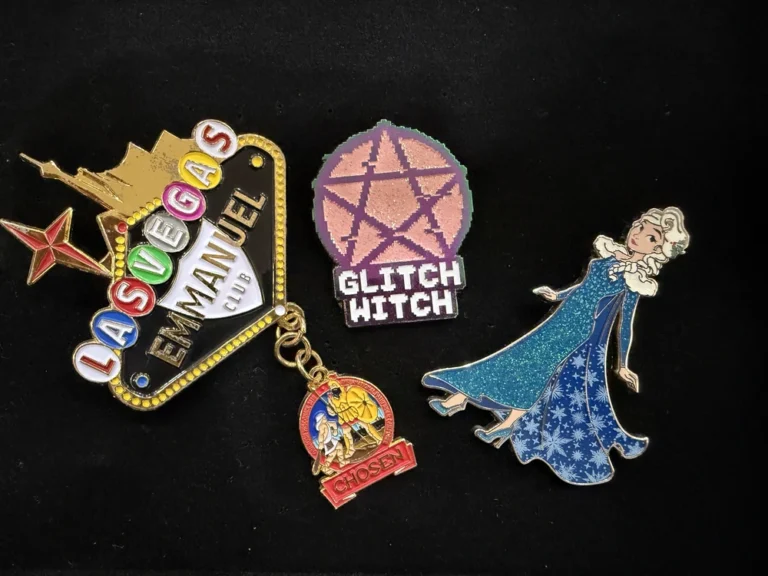
Creating your very own pins is an incredibly rewarding process that allows you to bring your creative vision to life. Whether you want to create personalized pins for an upcoming corporate event, develop high-quality recognition pins for employee recognition, or stock up on retail accessories for small businesses, knowing how to navigate the production process is essential.
However, translating digital ideas into physical metal objects can be tricky. A minor oversight can lead to frustrating quality problems. To help you guarantee a perfect result on your first try, we have compiled the ultimate guide outlining the top 10 mistakes beginners make, and how to avoid them.
One of the biggest mistakes beginners make is adding too many tiny details into a small pin. While complex designs may look beautiful on a digital screen, they often lose clarity during manufacturing.
Fine text, tiny logos, thin lines, and overcrowded artwork can become unreadable once the pin is produced. This issue becomes even more noticeable with soft enamel pins because recessed areas naturally separate colors and details.
A professional design team usually recommends simplifying artwork before production. Expert designers understand how to balance detail and readability while maintaining the original vision.
When creating custom enamel pins, it is important to remember that pins are small accessories, not large posters, and although custom pins can be made in almost any shape and size, smaller formats still require simplified artwork.
In metal manufacturing, every color must be separated by a physical metal wall to hold the liquid paint in the recessed areas. If the logo or graphic is too intricate, these metal lines will merge, creating a cluttered and illegible pin design. Keep your theme bold and simplified for the best results.
First-time buyers often confuse the two primary manufacturing styles.
Soft enamel pins feature raised metal edges with recessed paint, offering a textured, traditional feel, and they are budget-friendly and widely chosen for many designs.
Hard enamel pins, on the other hand, involve overfilling the cavities and polishing the surface down until the paint is perfectly flush with the metal, resulting in a high grade, smooth, durable, and jewelry-like finish.
Die struck pins use no enamel color and create a more classic look. Knowing which style best fits your brand is crucial, as this choice directly affects both the cost and the perceived value of the product.
Color plays a major role in successful pin design. If a design includes text, white bars or white backing behind the text can improve legibility. Beginners often choose shades that blend together, making important details disappear.
For example, dark enamel colors paired with dark metal plating can reduce visibility. Similarly, glow effects, antique finishes, or transparent elements that interact with light may hide smaller design elements if contrast is poor.
Professional manufacturers with strong manufacturing expertise usually provide an art proof before production begins. This allows designers to review colors, plating, polishing, and overall appearance before approving the final version.
Strong contrast improves visibility and helps custom lapel pins stand out on clothing, bags, hats, and accessories.
The metal finish has a major impact on how enamel pins look in real life. Beginners sometimes focus entirely on the enamel colors and ignore plating choices.
Popular options include:
Gold plating
Silver plating
Black nickel
Antique brass
Matte metal finishes
Each plating style changes the personality of the pin. Antique finishes create vintage aesthetics, while polished gold gives a premium corporate appearance.
Choosing the wrong plating can create quality problems even if the artwork itself is strong.
Experienced factories often offer upgraded options that help customize the final appearance without completely redesigning the pin.
Many beginners don’t realize the massive variety of upgraded options available to elevate their custom pins. For an extra charge, you can completely transform a basic design into a premium collectible.
Consider adding a glow-in-the-dark enamel fill, a magnet backing instead of standard clutches, a charm for extra elegance and personalization, or mechanical features.
You can incorporate a spring feature using durable springs for a bobble effect, engineer a smooth rotation for a spinner element, or even use a multi frame lenticular animation insert to tell dynamic stories. These interactive features add motion and engagement to pin designs.
A common beginner mistake is to upload low-quality files or unfinished sketches during checkout, so submit your design with clear artwork to start the pin creation process.
Professional manufacturers usually prefer vector artwork because it maintains clean edges and accurate proportions. Poor files can lead to delays, extra charge revisions, or unexpected design adjustments.
Many suppliers also send a digital proof within 12 hours for approval. Before production begins, buyers can request unlimited revisions to that proof.
To create artwork properly, designers should:
Use clear outlines
Separate enamel color sections cleanly
Avoid blurry logos
Keep text readable
Label plating preferences
Many companies offer free design services or assistance from expert designers to help improve artwork before production starts.
Businesses that offer free design services can often transform rough ideas into polished production-ready designs.
Low prices can be tempting, especially for first-time buyers trying to order custom pins on a tight budget.
However, extremely cheap manufacturers often cut corners in materials and craftsmanship.
Common quality problems include:
Uneven enamel filling
Weak pin posts
Poor polishing
Scratched metal
Incorrect colors
Damaged plating
High grade materials and skilled craftsmanship make a major difference in the final result.
A reliable factory with proven manufacturing expertise may cost slightly more, but it usually delivers better durability, cleaner details, and more professional packaging.
Fast production is valuable, but quality should never be sacrificed entirely for speed.
A great pin can feel cheap if handed over in a loose, unmarked plastic bag. The packaging is just as important as the pin itself, especially if the items are being sold at retail or given as prestigious awards.
Investing in a custom-printed backing card allows you to personalize the unboxing experience, add your website or social media handles, and elevate the overall quality of your custom enamel pins.
You do not have to be an expert to produce amazing merchandise, provided you lean on true manufacturing expertise.
Top-tier manufacturers, like PeaKeen, employ expert designers and an in-house design team dedicated to helping you perfect your vision. They can also recommend acrylic pins when you need a lightweight, shatter-resistant, customized option. UV printed pins work well for full-color artwork in nearly any shape. PVC pins are made from a rubberized material and are 100% waterproof for use cases that need extra resilience. Many premium suppliers will offer free design services to help tweak your layout, thicken lines, and ensure the product can actually be crafted. Taking advantage of these free design services is the smartest way to guarantee your final custom product looks professional and flawless.

Table of Contents Leather keychains are a massively popular category in the world of custom corporate gifts. They are highly

Table of Contents Finding the right manufacturing style for branded merchandise can be challenging for corporate buyers. High quality pvc
No. 5, Tongan Road,
East District Xiaolan Town,
Zhongshan, Guangdong,
China